

What is a solenoid armature?
A solenoid armature is the movable metal piece, often called a plunger, located inside a solenoid coil that is drawn into the coil when an electric current is passed through the coil, essentially acting as the moving part that converts electrical energy into mechanical motion within the solenoid device; it's the part that physically moves due to the magnetic field generated by the coil. The armature assembly is a pressure-tight internal part of a solenoid valve.
Key points about a solenoid armature:
Function:
The function of a solenoid armature is to convert electrical energy into mechanical motion. The armature is a movable part of a solenoid's core that moves back and forth to open and close valves or switches.
When current flows through the solenoid coil, it creates a magnetic field that pulls the armature towards the center of the coil, allowing for linear movement.
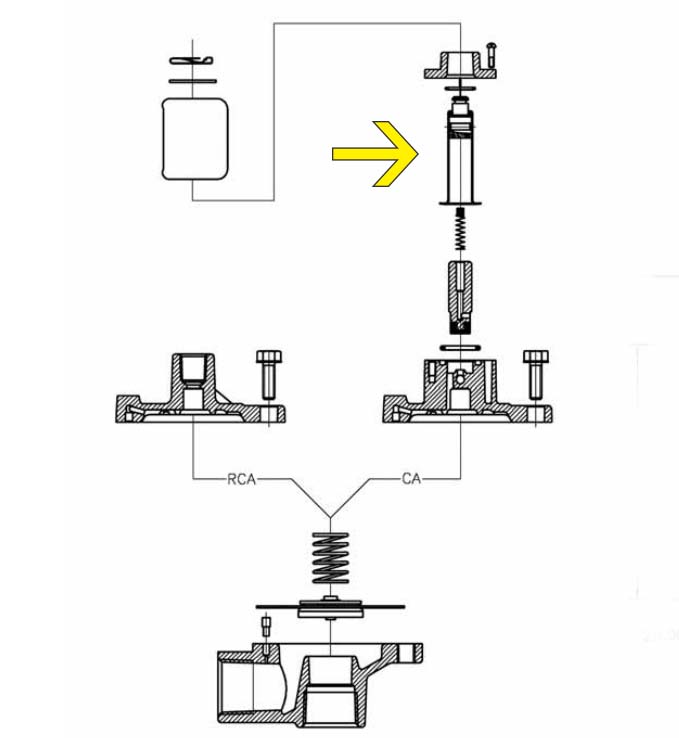
How it works:
- An electrical current passes through a wire wrapped around a core.
- The current creates a magnetic field around the core.
- The magnetic field moves the armature, which is attached to the core.
- The armature's back-and-forth motion opens or closes valves or switches.
- When the current stops, a spring returns the armature to its original position.


Material:
- Armature: Typically made from ferromagnetic material like iron, steel or brass, as it needs to be easily magnetized by the coil.
- Core: The core is made of stacked metal plates to reduce energy loss.
- Spring: The spring maintains the armature's reset position.
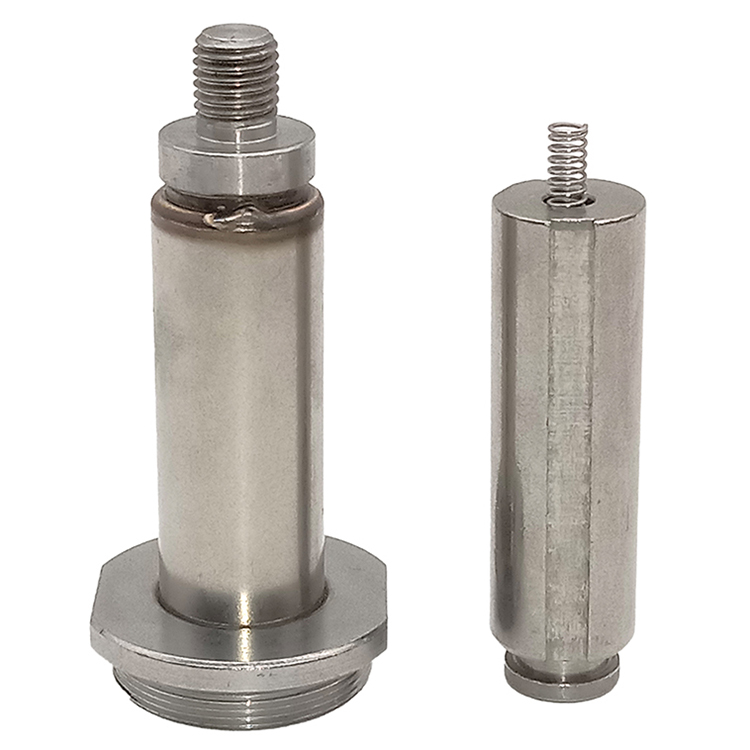

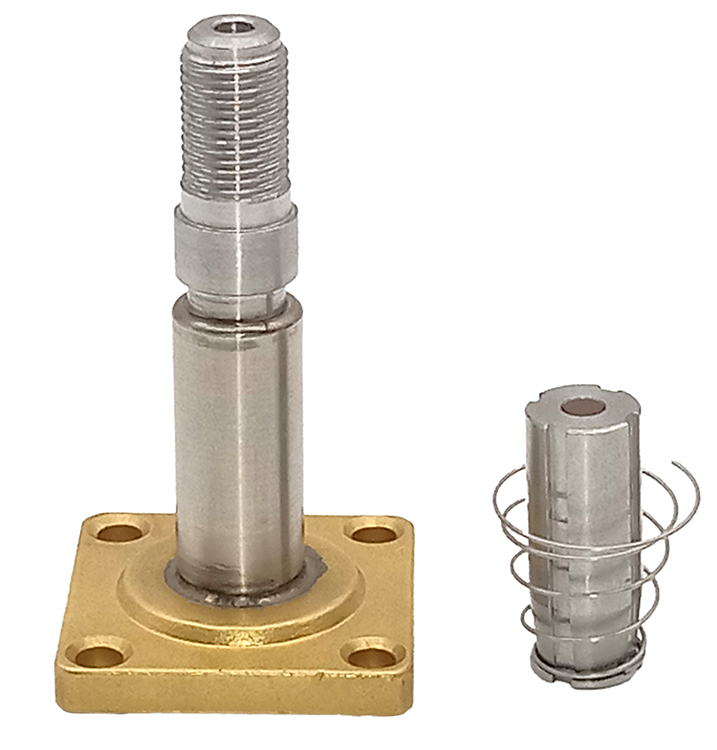
Application:
Solenoid armatures are used in various applications like solenoid valves, where they control the flow of fluid by opening or closing the valve when energized.
Application in valve:
- General valve
- Pulse valve
- Refrigeration valve
- Automotive valve
- Hydraulic valve
... ...
